



Table of Contents
Tips To Gain Muscles
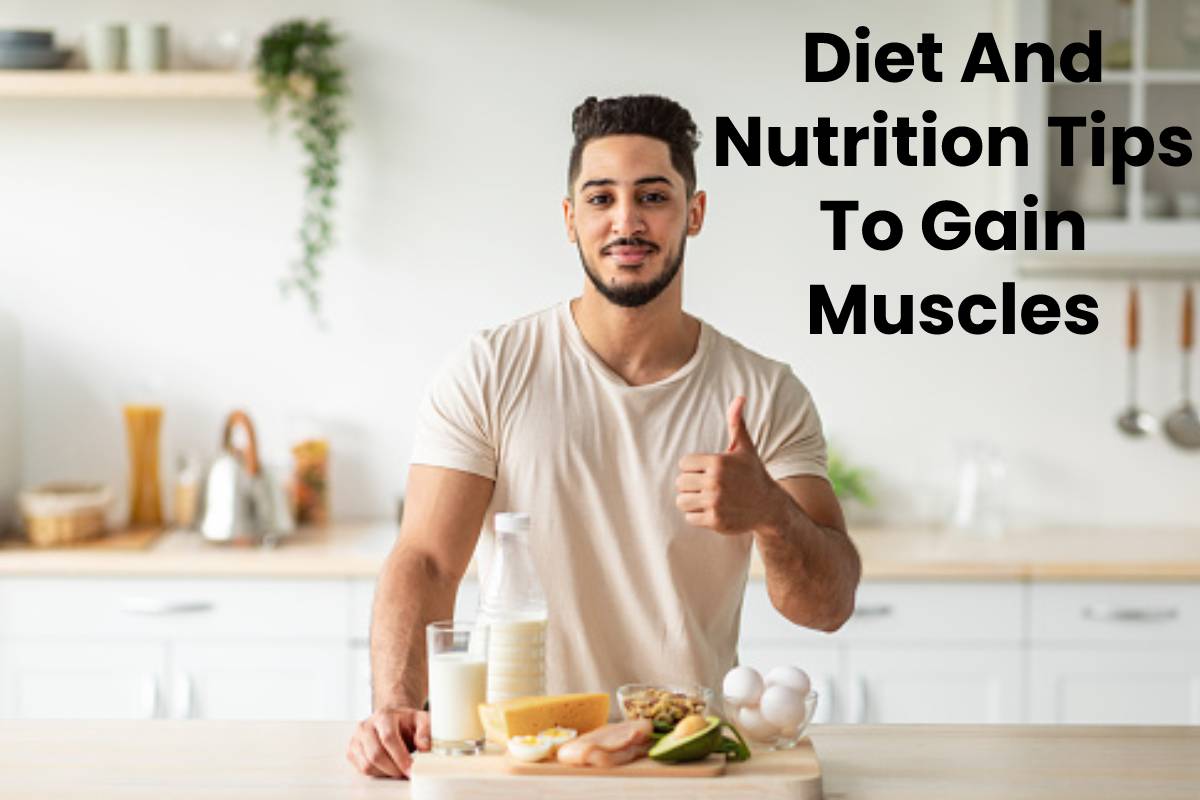
If your purpose is to gain muscle mass, you must be aware of the importance of physical exercise + diet binomial. The correct combination of a good training plan and adequate dietary guidelines will make you get your best results and increase your performance to the maximum.
How Should Your Diet Be To Increase Your Muscle Mass?
If we aim to increase our muscle mass, we must provide an extra caloric level. We will go up around 400-500kcal. Our energy needs will increase since more energy is required to promote protein synthesis.
Gaining weight faster can lead to a simultaneous increase in fat mass. This caloric increase in our dietary guidelines can lead to a weight gain of up to 0.5kg of muscle mass per week. However, it is a very ambitious goal since it influences the intensity of physical activity and our diet, and other factors intervene, such as the genetics of each athlete and the different situations at the hormonal level.
Different Strategies To Gain Muscle
As in all cases, the diet should remain personalized to the physical characteristics of each person (age, sex, intensity and type of exercise, stage of life, physiological state, body composition, goals.), schedules, and preferences. Food.
To increase our caloric intake, there is no single correct approach, but there are different strategies that we can use to address this purpose, such as:
- Increase the frequency of our intakes.
- Eat foods and drinks with a high caloric density without significantly increasing the volume of our meals.
- Ensure optimal carbohydrate intake before, during, and after exercise.
- Plan meals in advance to avoid skipping meals and ensure you always have good options.
We will investigate a little more about how our diet should be composed.
Carbohydrates
An increase in the consumption of carbohydrates in our eating patterns is essential. This macronutrient should constitute between 60-70% of the total caloric value of our intake, always choosing the best options: legumes, tubers, whole grains, vegetables, and fruit. We must be careful when introducing the richest in fiber before practicing sports. These should remain reserved for after exercise or for rest days since. On the contrary, they can cause discomfort at the intestinal level.
Carrying out an adequate recovery at the level of carbohydrates will allow us to correctly replenish our glycogen deposits, thus avoiding a more significant loss of muscle mass (since it increases protein catabolism).
In summary, the intake of carbohydrates in our diet should remain increased since, in this way, we will ensure proper muscle synthesis and, consequently, muscle tissue growth. In addition, we will obtain a more significant glycogen load in our muscles, which will allow us to optimize our sports performance.
Protein
Muscular. Proteins are an essential macronutrient in muscle growth since they are responsible for executing different functions at a physiological level: They actively participate in the immune system. Have a significant role in physical performance, and, in addition, they also participate on a structural level in the tissue.
Although proteins are essential molecules, they would not be necessary as an energy source since, during physical activity, we usually obtain energy from other substrates, mainly carbohydrates and fats.
If muscle and liver sugar stores are empty, protein needs may remain increased. To increase our muscle percentage, a contribution between 1.6-1.8g of protein/kg of weight/day should be followed and maintained between 1.2-1.8g of protein/kg /day. In different studies, a higher intake does not provide any additional benefit in increased muscle mass. As always, we must individualize the protein intake for each individual since these parameters are recommendations at a general level.
It is essential to prioritize high biological value proteins such as eggs or milk protein. In vegetarian athletes or those who want to reduce their consumption of protein foods of animal origin, we can include legumes (such as chickpeas or soybeans) or other pseudocereals such as quinoa or amaranth, since these contain all the essential amino acids. On the other hand, the other legumes that lack complete protein, if adequately combined (cereal + legume), can also be a good protein source since carrying out this combination would complement the different amino acid profiles, forming the complete protein. Tips To Gain Muscles
Fats
Fats also play a role in increasing muscle mass. They can be used, like carbohydrates, as an energy source during physical activity. In strength and hypertrophy exercises, carbohydrates remain usually used as an energy substrate.
A contribution between 25-35% of the total caloric value of our diet remains recommended. We must prioritize the consumption of healthy fats such as olive oil, avocado, olives, nuts, and oily fish. This micronutrient will help our body absorb vitamins, thus promoting proper growth and muscle development.
Is Supplementation Necessary To Gain Muscle Mass?
It will be useless to supplement ourselves if we do not follow correct food planning as a base. The first step should always be to correct our habits and achieve the best results from a proper diet. Once we have internalized what our nutrition should be like. Then we can assess whether it would be necessary to supplement ourselves in our case.
The supplements that have remained beneficial in increasing the percentage of muscle are whey protein, creatine (HMB), a metabolite of leucine.
Conclusions
Super Healthiness, We discuss How to obtain the best results? It is necessary to emphasize good healthy habits (optimal training, regenerative rest, well-planned nutrition, and hydration). These will favor an excellent physiological state. Which will lead to a better response to both exercise and good dietary guidelines. Tips To Gain Muscles
Saba Mirza
Saba Mirza is a Health & Wellness Content Writer at Super Healthiness with more than 3 years of content writing experience. She creates clear, accessible and reader-focused content covering health, wellness, fitness, nutrition, personal care and healthy lifestyle topics.
View Author Profile
Sameena Begum
Sameena Begum is a Health, Wellness & Lifestyle Content Reviewer at Super Healthiness with 8 years of content and editorial experience. She reviews selected articles for clarity, structure, consistency, appropriate context and overall reader usefulness.
View Reviewer Profile
Dr. Syed Imtiaz
Dr. Syed Imtiaz is a qualified medical professional with MBBS and MD qualifications and 5+ years of experience in the medical field. He works as a General Physician and Dermatologist and serves as a Medical Reviewer at Super Healthiness, reviewing health-related content for medical accuracy, appropriate context, clarity and responsible presentation.
View Medical Reviewer Profile